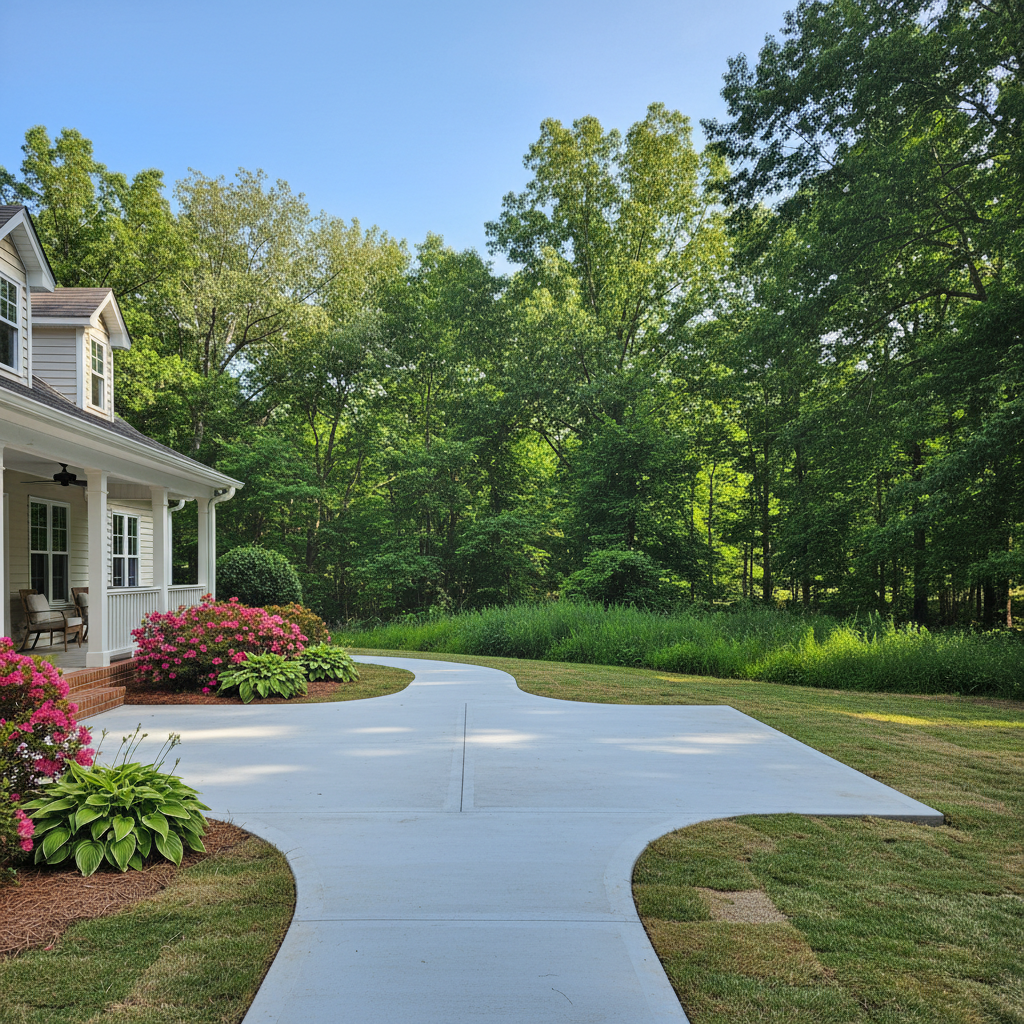
So, you're dreaming of a new patio, maybe a driveway, or even a solid foundation for that shed you've been planning. That's fantastic! But before we even think about scheduling, let's talk about something super important for us folks right here in Dothan: the weather. Our local climate isn't just about those sweltering summers; it actually plays a huge part in how your concrete turns out and, more importantly, how long it lasts. Get it right, and you'll have a tough, durable surface. Mess it up, and you could be looking at cracks and a whole lot of headaches down the road. Believe me, I've seen that happen way too often.
When's the Best Time to Schedule Your Concrete Project in Dothan?
Look, you *can* pour concrete pretty much any time of year, especially if you really know your stuff and take all the right precautions. But for the absolute best results—to give your concrete the very best shot at curing strong—you really want to aim for mild temperatures.
- Spring (Late March to Early June): This is often the sweet spot. You get moderate temperatures, typically between 50 and 70 degrees Fahrenheit, which is just perfect for concrete to cure slowly and gain its maximum strength. Plus, the humidity levels are usually lower than in summer, which helps.
- Fall (Late September to Early November): Another fantastic window, wouldn't you say? The days are still warm, but not scorching, and the nights start to cool down nicely. This helps slow down that crucial curing process, which is exactly what you want for really durable concrete. You also tend to avoid those sudden, heavy downpours we get so much of in the summer.
What we're really looking for is that perfect range where temperatures consistently hover between 50 and 60 degrees Fahrenheit for most of the day, and don't dip below 40 or shoot above 90. That's the magic zone for a truly strong slab.
How Weather Conditions Affect the Work
Dothan's climate, which is officially a humid subtropical one, means we face some pretty specific challenges.
- Heat: Our summers are just brutal—long and hot, with July often seeing average highs of 90-93°F. Pouring concrete in extreme heat is a real gamble. The concrete can dry out way too fast, leading to quick evaporation of moisture. This rapid drying often causes premature cracking and can seriously weaken the concrete. If we absolutely have to pour in the summer, we'll take extra steps, like pouring in the early morning or late afternoon to dodge the peak sun, using special curing compounds, and even shading the area.
- Cold: Our winters are short and generally mild, but we do get those cold snaps. If temperatures drop below 40°F, especially into freezing conditions, the water in fresh concrete can freeze, expand, and cause damage like cracking or surface imperfections. Cold weather also really slows down the curing process, meaning it takes much longer for the concrete to reach its full strength.
- Humidity: High humidity, which we get a lot of—especially in June and July—can be a bit of a mixed bag. It can help keep moisture in the concrete, which is good for curing, but it can also make the setting time much slower. Low humidity, on the other hand, can speed up evaporation and lead to cracking. It's truly all about finding that balance.
- Rain: You never, ever want rain on fresh concrete. It can wash away the cement paste, weaken the surface, and leave you with a poor finish. We always check the forecast for at least 48 hours of dry weather after a pour.
- Dothan's Red Clay Soil: This is a huge factor for us, a real local quirk. Our unique red clay soil, which you see a lot in neighborhoods like the Highlands, can expand and contract significantly as moisture levels change. This movement puts a lot of stress on concrete slabs, often leading to cracking and settling if it's not handled correctly during installation. That's why proper site preparation, subgrade compaction, and using the right concrete mix are non-negotiable for Vertex Concrete Constructions.
Protecting Your Concrete Investment Year-Round
Once your concrete is in place, the job isn't over. You've got to protect that investment, especially with our Dothan weather.
- Curing is Key: After we pour, proper curing is absolutely vital. This means keeping the concrete moist for a certain period, usually by covering it or applying a curing compound. This helps it reach its full strength and prevents those early cracks from showing up.
- Sealing: This is a big deal here in Dothan. New concrete really benefits from proper sealing within the first year. A good sealer protects against moisture, stains, and that intense Alabama sun, which can cause fading and degradation over time. There are different kinds of sealers, like penetrating silane-siloxane sealers that might last 5-7 years, or acrylic sealers that you might need to reapply every 6 months to 3 years. We can help you pick the right one for what you need.
- Drainage: With our periods of heavy rainfall, making sure water drains properly around your concrete is critical. Water pooling against a patio or driveway can actually undermine the subgrade and lead to settling or cracking. Always make sure water is directed away from your home's foundation and any concrete surfaces.
- Regular Cleaning: Simple, but effective. Regular cleaning with a mild detergent and water helps get rid of dirt, debris, and prevents mold and mildew growth—which our humidity just loves.
- Address Cracks Promptly: Please don't ignore small cracks. In our humid conditions, water can sneak into those cracks, freeze (if it gets cold enough), and expand, making the problem much worse. Dealing with any damage quickly can stop further deterioration.
Taking these steps will really help make sure your concrete lasts for decades, standing up to everything our Dothan climate throws at it. If you've got questions about your specific project or need some advice, don't hesitate to reach out. We're here to help you get it right.